

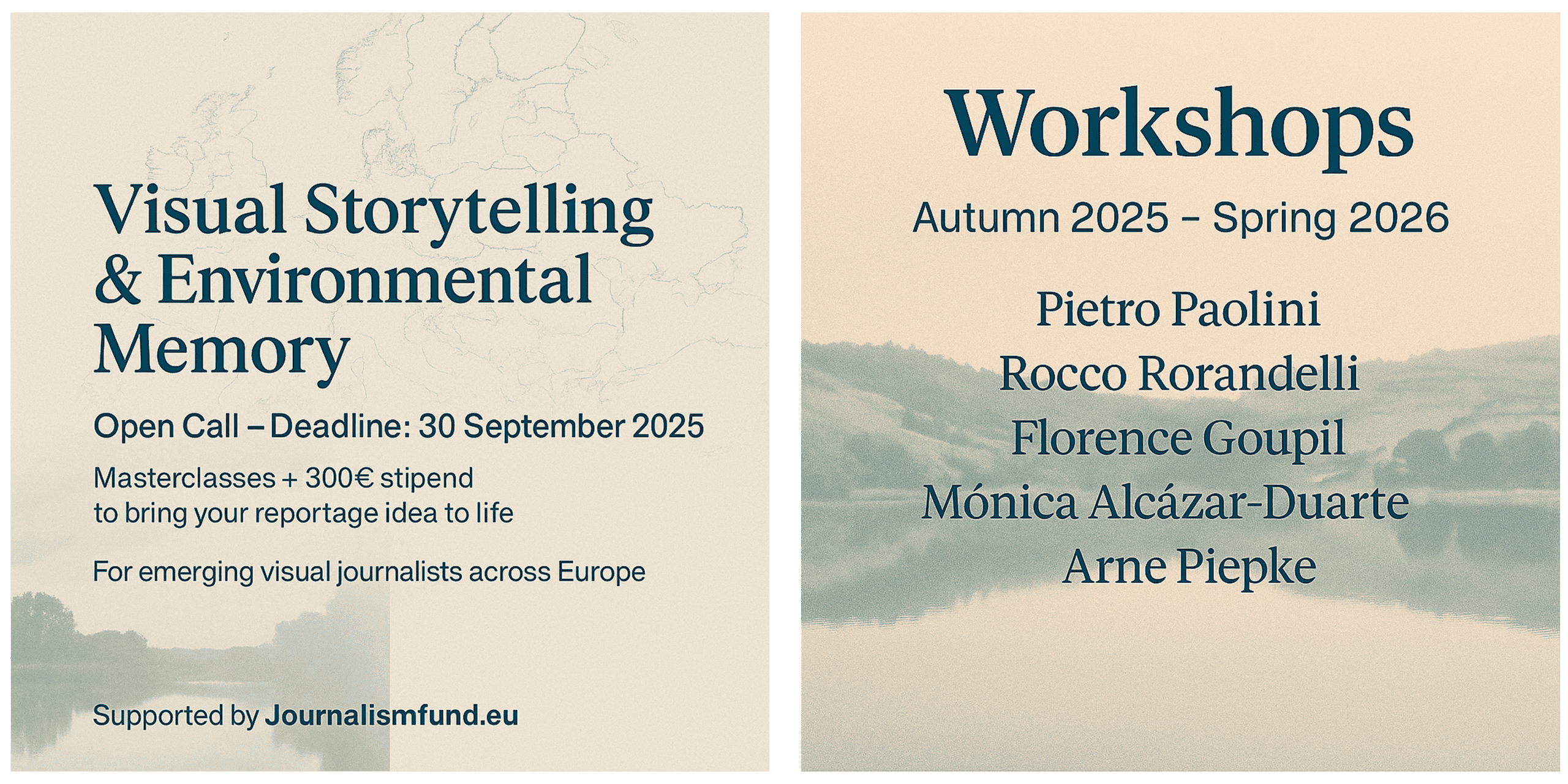
Visual Storytelling & Environmental Memory
Training the Next Generation of Climate Journalists
Autumn 2025 – Spring 2026
MÓN, with the support of Journalismfund.eu, launches the open call for the educational program “Visual Storytelling & Environmental Memory”, aimed at emerging visual journalists working in Europe who wish to develop or expand a documentary reportage on memory and the environment.
The program is entirely free of charge and designed to support young journalists with strong narrative potential in producing a reportage. Selected participants will receive a €300 stipend to support reporting and production expenses.
Participants will be guided by established professionals in documentary photography and will take part in virtual classes and debates. The sessions will be a space for dialogue, where participants can refine their stories and connect them to the wider questions of environmental memory.
Environmental memory refers to how communities remember, narrate, and transmit their relationship with the environment; from landscapes transformed by war or industry to the marks left by climate change. It connects ecological change with cultural and historical experience, comprehending that memory is not only social, but also environmental.
Mentors
Five internationally recognized visual storytellers will guide participants throughout the program:
-
Pietro Paolini (Italy, TerraProject Collective): Pietro is a documentary photographer who focuses on rural and post-industrial landscapes across Latin America and Italy. His long-term projects, such as Buscando a Bolívar, combine field photography, social research, and a poetic visual style to explore land use, identity, and memory.
-
Rocco Rorandelli (Italy, TerraProject Collective): An Italian documentary photographer with a PhD in Natural Sciences, Rocco explores the intersection of global industries, human behavior, and environmental impact. For example, over a decade, he documented the tobacco industry across Asia, Africa, Europe, and the U.S., culminating in his book Bitter Leaves. His stories are a product of rigorous research and have been featured in prominent outlets and NGO campaigns.
-
Florence Goupil (Peru–France, National Geographic Explorer): Between Paris and Cusco, Florence focuses on indigenous memory, ethnobotany, and environmental justice in the Amazon and Andes. Her work documents traditional plant healing practices (such as the Shipibo‑Konibo people’s use of ancestral remedies) through immersive storytelling that connects audiovisual narratives, oral histories, and botanical archives.
-
Arne Piepke (Germany, DOCKS Collective): From Germany, Arne is a co-founder of DOCKS Collective, known for their humanistic, collaborative documentary practices. His work employs a speculative, emotionally engaged approach to documentary storytelling; using images, archival fragments, and found objects to reflect on memory, identity, and place (as seen in projects like Faith, Custom, Home, or The Shape of F.S.)
-
Mónica Alcázar-Duarte (Mexico–UK, National Geographic Explorer): A Mexican-British multidisciplinary visual artist whose work addresses ecological critique, indigenous heritage, and technological imaginaries. Based on meticulous research, her long-term projects (like The New Colonists and Second Nature) blend photography, science, augmented reality, and performance to challenge prevailing narratives of progress and envision more equitable futures.
Program Structure
-
Masterclasses (Autumn 2025 – Winter 2025): each mentor will lead an online session open to selected participants.
-
One-to-one Mentorships (Winter 2026 – Spring 2026): participants will work closely with an assigned mentor to develop their project.
-
Final Presentation (Spring 2026): the program concludes with the presentation of the completed reportages on memory and the environment.
Eligibility
-
Open to visual journalists or documentary photographers of any nationality, provided they are working in Europe.
-
We encourage proposals that go beyond statistics to uncover the stories carried by landscapes and communities. The program’s philosophy is rooted in the idea that environmental journalism is also an act of excavation: tracing how histories, policies, and human actions shape today’s ecological realities.
Applications may explore:
-
Environmental degradation and resilience (themes such as deforestation, desertification, pollution, climate displacement…).
-
The memory of landscapes, using archives, maps, and photographs to reconstruct ecological transformations.
-
Community adaptation and resistance to environmental change.
-
The interplay between past and present, where visual storytelling connects history, policy, and lived experience.
Through these ideas, participants are expected to create projects that document ecological change and reveal its historical depth and human impact.
-
-
Applicants must submit one PDF including:
-
Between 10 and 15 images (these may be previous work, archival material, or work-in-progress).
-
A project description (max. 500 words) outlining the story, approach, and relevance.
-
A brief resumé or CV, including relevant background, experience, and any additional information that helps contextualize the applicant’s work and practice.
-
Deadline
The application deadline is 30 September 2025.
Selected participants will be notified in mid-October 2025.
Submit your proposal to: contact@monvisuals.org
Related Posts
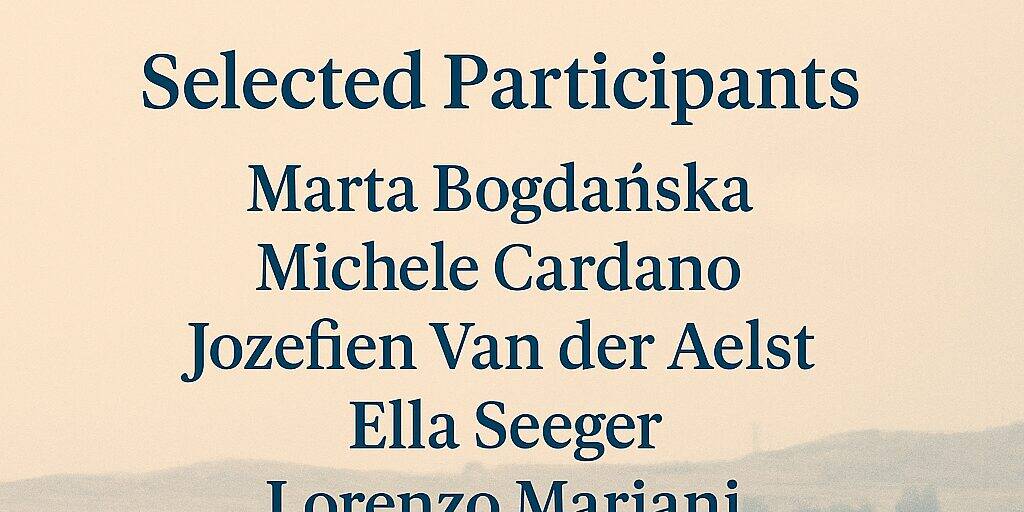
Selected participants — Visual Storytelling & Environmental Memory
We’re delighted to announce the five…
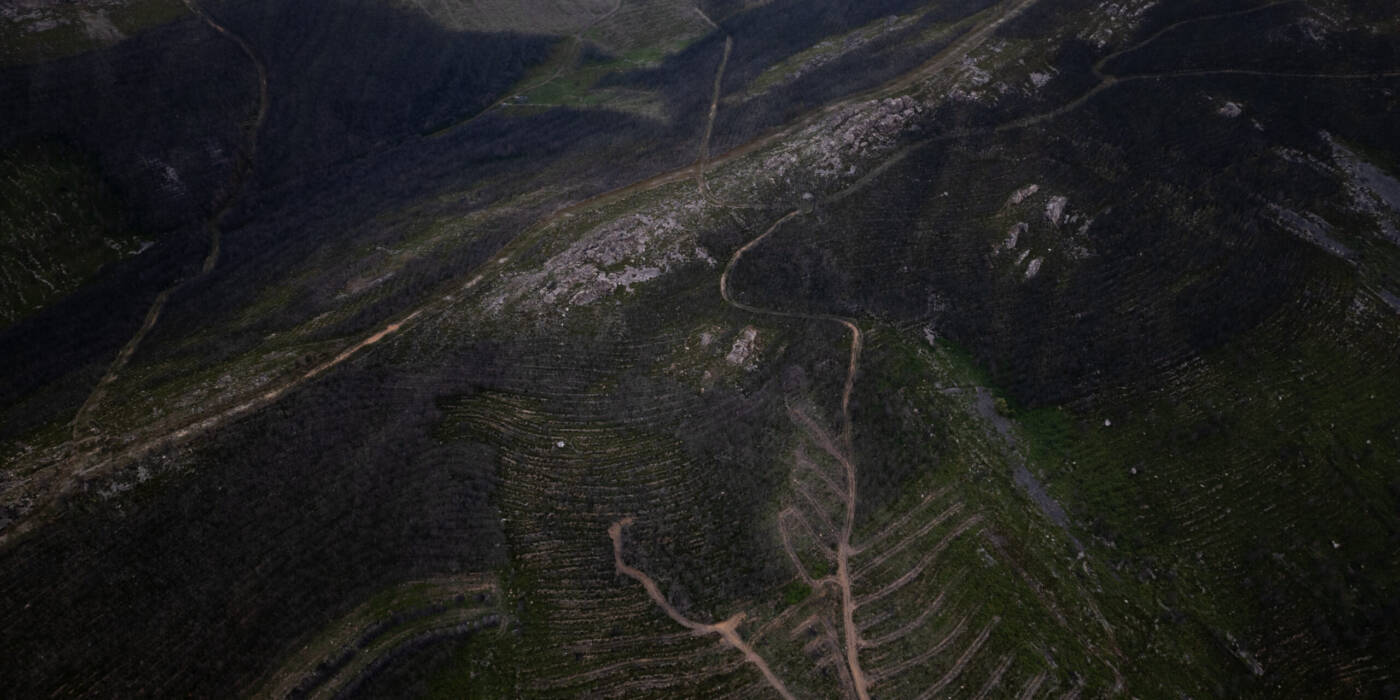
Chronicle of a Premonition: The Extreme Wildfires Defining the World’s New Reality
The devastating fire in Los Angeles…